Search results: 2940
El curso abarca temas como el entorno empresarial internacional, análisis interno y externo, estrategias de internacionalización, implementación estratégica y los factores clave de éxito en la globalización.
A través de este curso, los estudiantes desarrollarán una comprensión profunda de cómo formular, implementar y evaluar estrategias internacionales.
- Teacher: Rogerio Moreira

Este curso examina a gestão estratégica em um ambiente competitivo global. Os estudantes analisam fatores internos e externos que influenciam as decisões estratégicas, avaliam vantagens competitivas, examinam opções de expansão internacional e desenvolvem um Plano Estratégico Internacional completo.
O curso enfatiza pensamento executivo, rigor analítico e tomada de decisão aplicada por meio de simulações e estudos de caso.
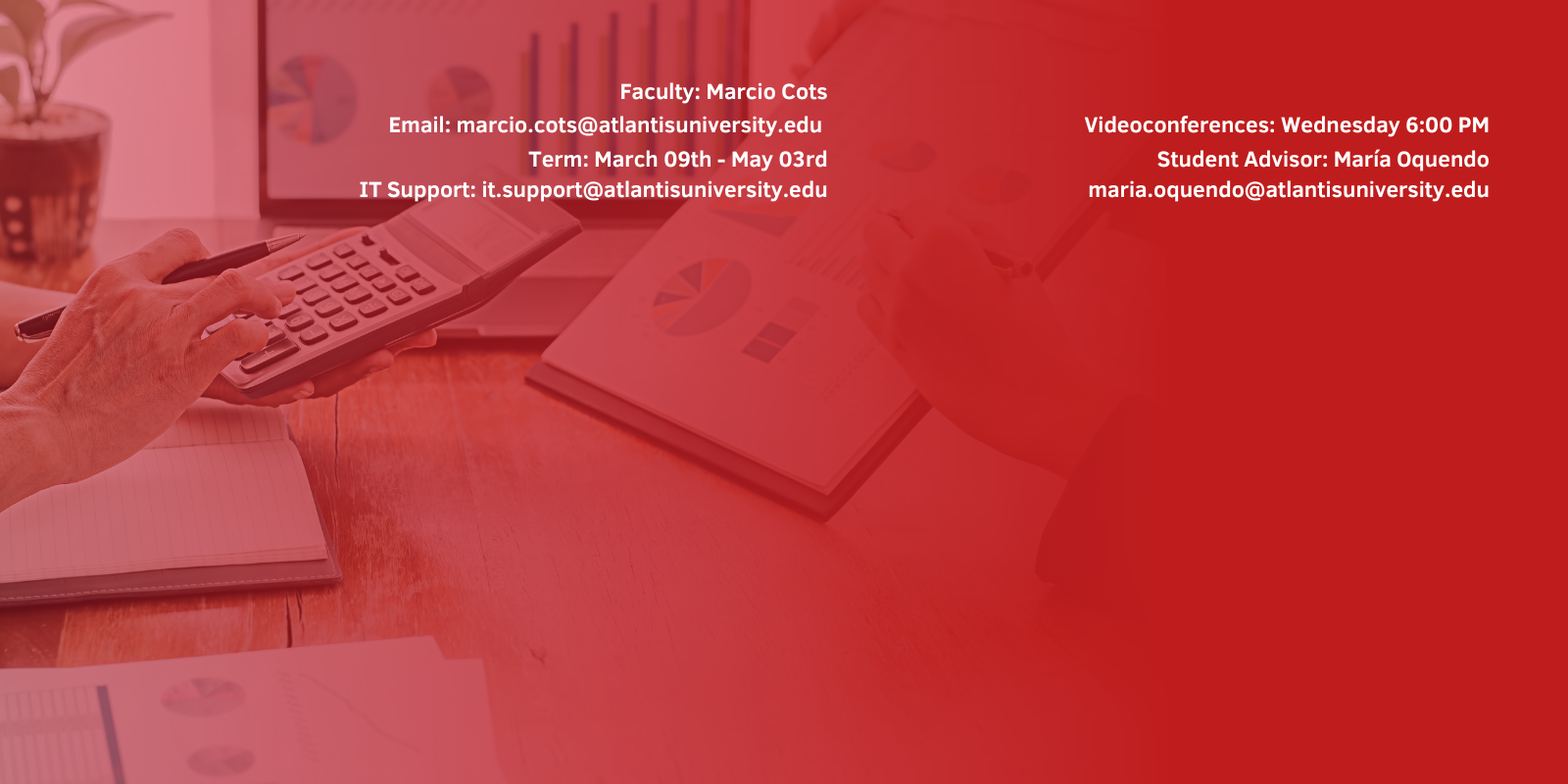
- Teacher: Marcio Cots

- Teacher: Marcio Cots

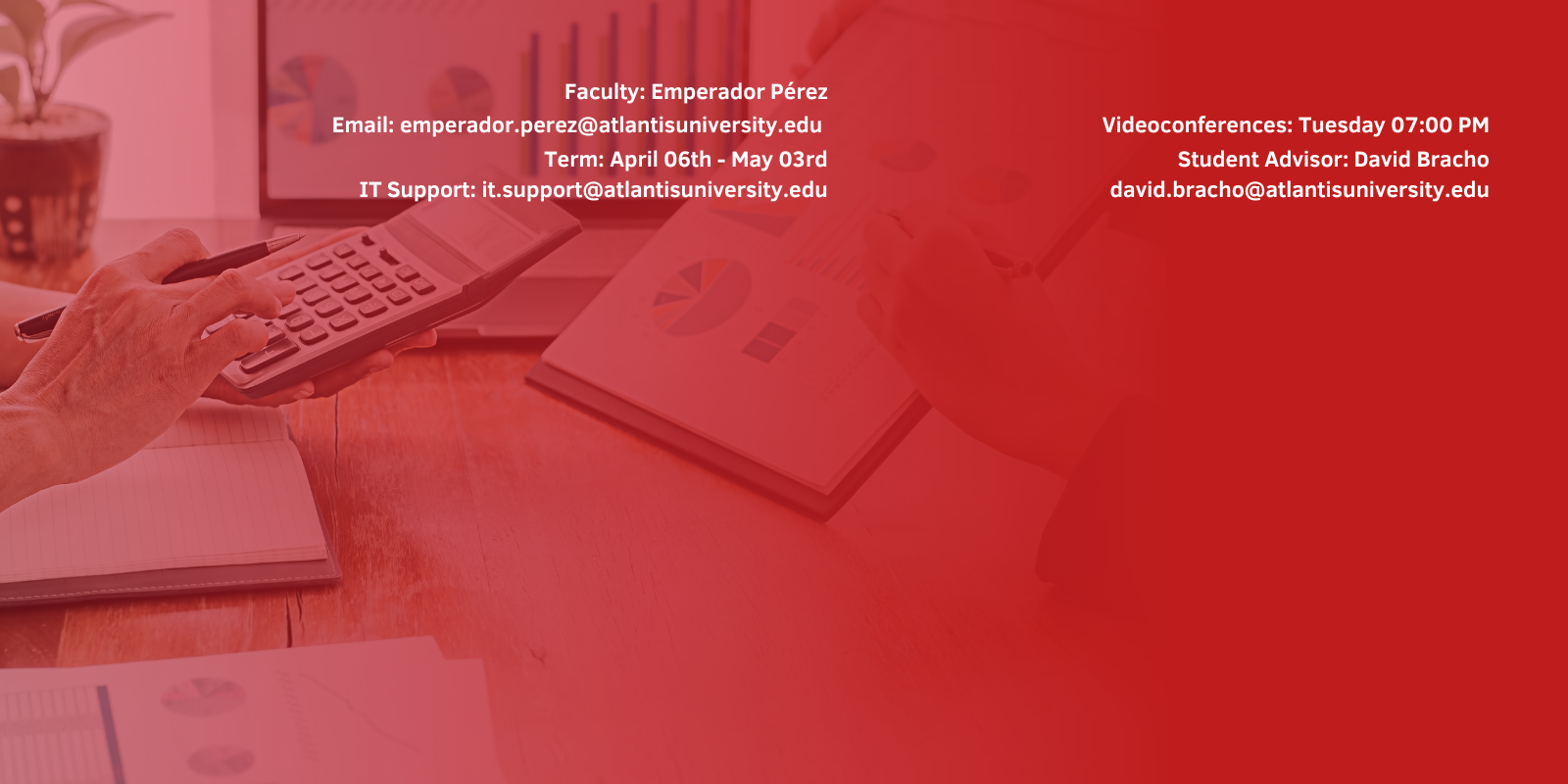
- Teacher: Emperador Perez

Durante el desarrollo de este curso, el maestrante tendrá la oportunidad de analizar la dinámica organizacional, toma de decisiones de los líderes eficaces, y los componentes fundamentales de la gestión de recursos humanos. A través de estudios de casos innovadores, utilizados como ejemplos, dejando en evidencia el cómo los individuos y las organizaciones influyen entre sí en el entorno de las organizaciones. Los participantes serán capaces de interactuar entre sí y con el instructor en actividades simuladas demostrativos de ejemplos del mundo real. Trabajando de forma independiente y en proyectos de grupo, permitiendo obtener una comprensión del diseño de la organización, así como los elementos que sostienen poderosa influencia de los empleados en el logro de objetivos y clima organizacional deseado.
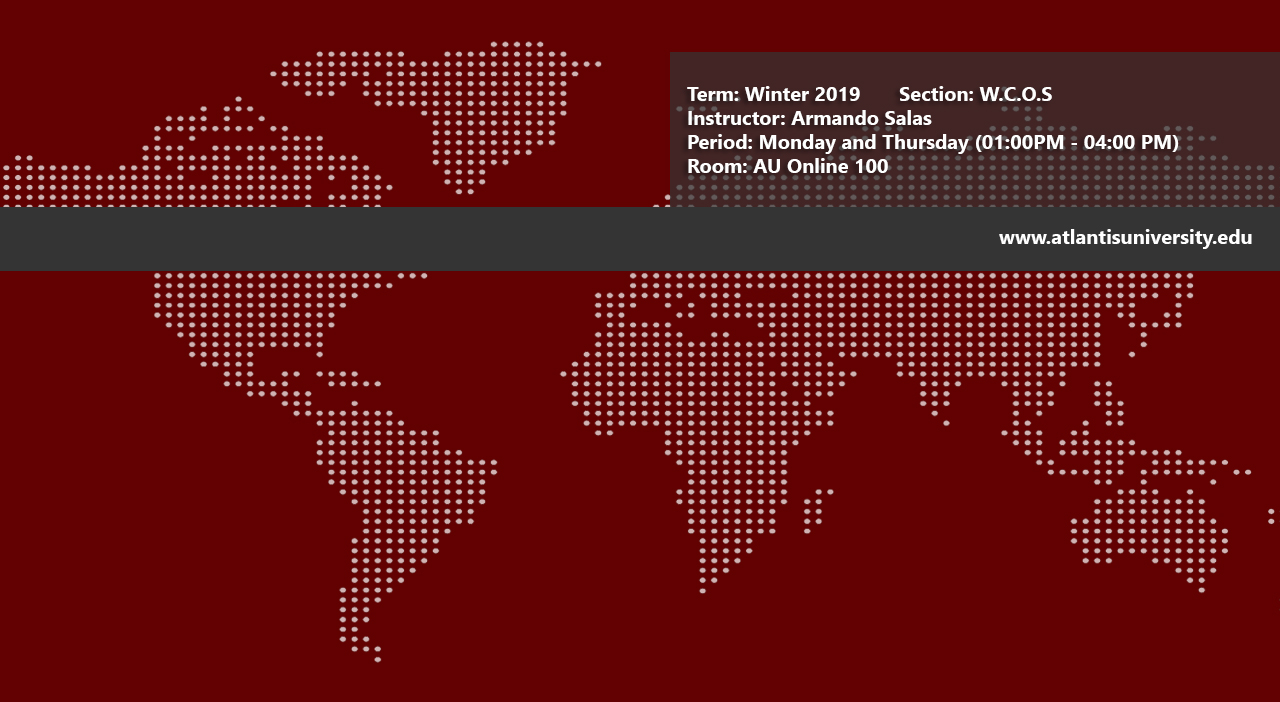
- Teacher: Armando Salas

Durante el desarrollo de este curso, el maestrante tendrá la oportunidad de analizar la dinámica organizacional, toma de decisiones de los líderes eficaces, y los componentes fundamentales de la gestión de recursos humanos.
A través de estudios de casos innovadores, utilizados como ejemplos, se deja en evidencia el cómo los individuos y las organizaciones influyen entre sí en el entorno de las organizaciones. Los participantes serán capaces de interactuar entre sí y con el instructor en actividades simuladas basadas en ejemplos del mundo real, trabajando de forma independiente y en proyectos de grupo, y permitiendo obtener una comprensión del diseño de la organización, así como de los elementos que sostienen una poderosa influencia en los empleados para el logro de objetivos y del clima organizacional deseado.
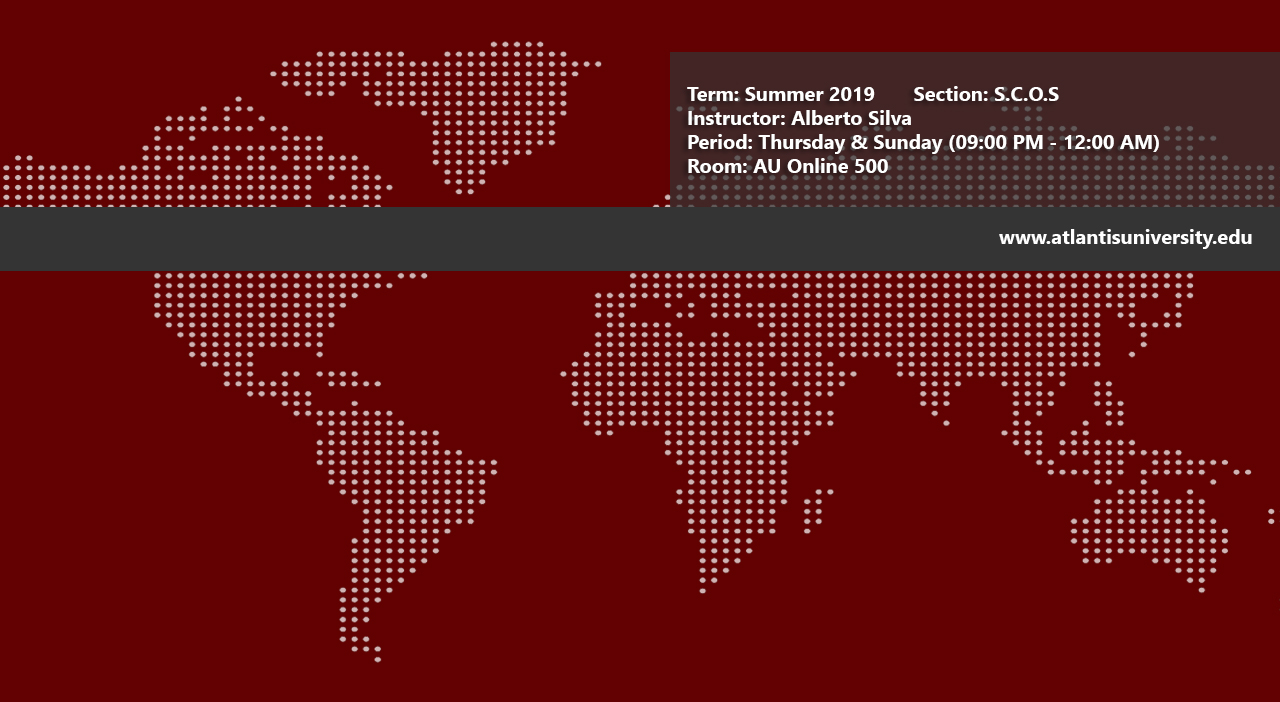
- Teacher: Alberto Silva


Durante el desarrollo de este curso, el maestrante tendrá la oportunidad de analizar la dinámica organizacional, toma de decisiones de los líderes eficaces, y los componentes fundamentales de la gestión de recursos humanos. A través de estudios de casos innovadores, utilizados como ejemplos, dejando en evidencia el cómo los individuos y las organizaciones influyen entre sí en el entorno empresarial. Los participantes serán capaces de interactuar entre sí y con el instructor en actividades simuladas demostrativos de ejemplos del mundo real. Trabajando de forma independiente y en proyectos de grupo, permitiendo obtener una comprensión del diseño de la organización, así como los elementos que sostienen poderosa influencia de los empleados en el logro de objetivos y clima organizacional deseado.
- Teacher: Alberto Silva

- Teacher: Dennis Kalam

This course is an introduction to the basic concepts and topics in organizational behavior (OB) and management. The course focuses on OB at three levels: individual, interpersonal, and collective. We will start at the individual level, covering decision-making, motivation, and personality. We will then turn to the interpersonal level, covering power, influence, and negotiations. Finally, we will move up to the collective level, covering leadership and organizational context.
- Teacher: Dennis Kalam

This course is an introduction to the basic concepts and topics in organizational behavior (OB) and management. The course focuses on OB at three levels: individual, interpersonal, and collective. We will start at the individual level, covering decision-making, motivation, and personality. We will then turn to the interpersonal level, covering power, influence, and negotiations.
Finally, we will move up to the collective level, covering leadership and organizational context.
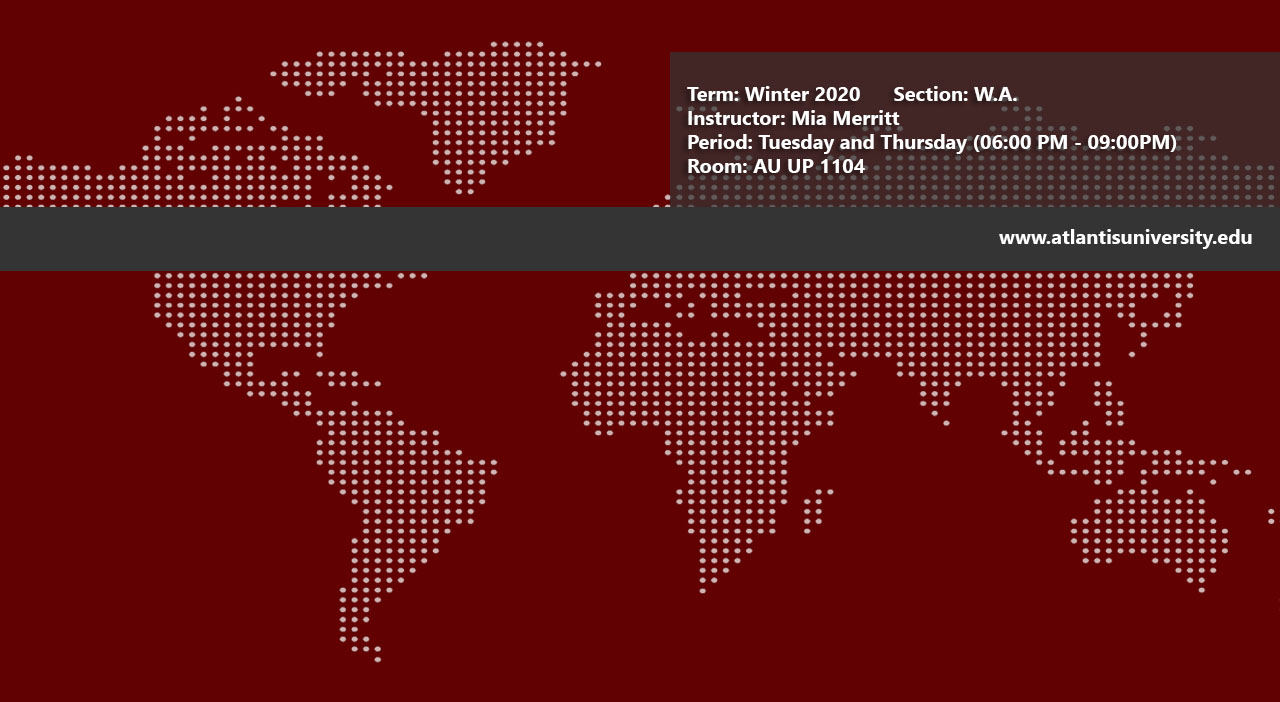
- Teacher: Mia Merritt

Although skills in finance, accounting, marketing, operations, and strategy are crucial for organizational success, the ability to manage an organization, its groups, and its individuals is equally important. In your careers, you will depend on people to accomplish tasks, goals, and projects; you will need to work for other people, work with other people, and supervise other people.
An understanding of the human side of management is an essential complement to the technical skills you are learning in other core business courses. Although we will focus on business organizations, you will find that the course concepts have valuable applications to other types of organizations, including non-profits, athletic teams, social clubs, and religious and political groups.
This course is an introduction to the basic concepts and topics in
organizational behavior (OB) and management. The course focuses on OB at three
levels: individual, interpersonal, and collective. We will start at the
individual level, covering decision-making, motivation, and personality. We
will then turn to the interpersonal level, covering power, influence, and
negotiations. Finally, we will move up to the collective level, covering
leadership and organizational context.
- Teacher: Miya Burt-Stewart

Although skills in finance, accounting, marketing, operations, and strategy are crucial for organizational success, the ability to manage an organization, its groups, and its individuals is equally important. In your careers, you will depend on people to accomplish tasks, goals, and projects; you will need to work for other people, work with other people, and supervise other people. An understanding of the human side of management is an essential complement to the technical skills you are learning in other core business courses.
Although we will focus on business organizations, you will find that the course concepts have valuable applications to other types of organizations, including non-profits, athletic teams, social clubs, and religious and political groups. This course is an introduction to the basic concepts and topics in organizational behavior (OB) and management.
The course focuses on OB at three
levels: individual, interpersonal, and collective. We will start at the
individual level, covering decision-making, motivation, and personality. We
will then turn to the interpersonal level, covering power, influence, and
negotiations. Finally, we will move up to the collective level, covering
leadership and organizational context.
- Teacher: Armando Salas

Although skills in finance, accounting, marketing, operations, and strategy are crucial for organizational success, the ability to manage an organization, its groups, and its individuals is equally important. In your careers, you will depend on people to accomplish tasks, goals, and projects; you will need to work for other
people, work with other people, and supervise other people. An understanding of the human side of management is an essential complement to the technical skills you are learning in other core business courses. Although we will focus on business organizations, you will find that the course concepts have valuable applications to other types of organizations, including non-profits, athletic teams, social clubs, and
religious and political groups. This course is an introduction to the basic concepts and topics in organizational behavior (OB) and management. The course focuses on OB at three levels: individual, interpersonal, and collective. We will start at the individual level, covering decision-making, motivation, and personality. We will then turn to the interpersonal level, covering power, influence, and negotiations. Finally, we will move up to the collective level, covering leadership and organizational context.
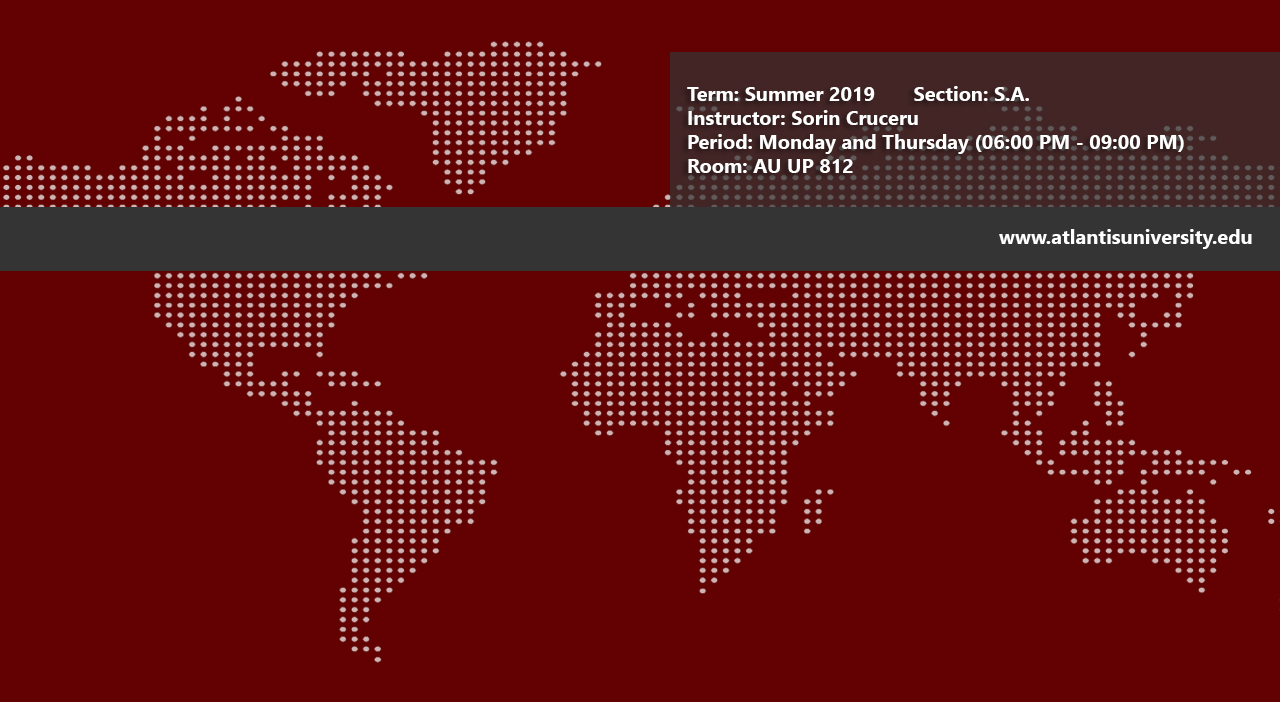
- Teacher: Sorin Cruceru

Durante el desarrollo de este curso, usted tendrá la oportunidad de analizar la dinámica organizacional, toma de decisiones de los líderes eficaces, y los componentes fundamentales de la gestión de recursos humanos a través de estudios de casos innovadores utilizados como ejemplos, dejando en evidencia el cómo los individuos y las organizaciones influyen entre sí en el entorno de las organizaciones.
Usted será capaz de interactuar con sus compañeros y con el instructor en actividades simuladas demostrativos de ejemplos del mundo real, trabajando de forma independiente y en proyectos de grupo, permitiendo obtener una comprensión del diseño de la organización, así como los elementos que sostienen poderosa influencia de los empleados en el logro de objetivos y clima organizacional deseado.

Although skills in finance, accounting, marketing, operations, and strategy are crucial for organizational success, the ability to manage an organization, its groups, and its individuals is equally important. In your careers, you will depend on people to accomplish tasks, goals, and projects; you will need to work for other people, work with other people, and supervise other people.
An understanding of the human side of management is an essential complement to the technical skills you are learning in other core business courses. Although we will focus on business organizations, you will find that the course concepts have valuable applications to other types of organizations, including non-profits, athletic teams, social clubs, and religious and political groups.
This course is an introduction to the basic concepts and topics in
organizational behavior (OB) and management. The course focuses on OB at three
levels: individual, interpersonal, and collective. We will start at the
individual level, covering decision-making, motivation, and personality. We
will then turn to the interpersonal level, covering power, influence, and
negotiations. Finally, we will move up to the collective level, covering
leadership and organizational context.
- Teacher: Dr. Dillon M. Williams

- Teacher: Cengage Unlimited

Durante el desarrollo de este curso, el maestrante tendrá la oportunidad de analizar la dinámica organizacional, toma de decisiones de los líderes eficaces, y los componentes fundamentales de la gestión de recursos humanos. A través de estudios de casos innovadores, utilizados como ejemplos, dejando en evidencia el cómo los individuos y las organizaciones influyen entre sí en el entorno de las organizaciones. Los participantes serán capaces de interactuar entre sí y con el instructor en actividades simuladas demostrativos de ejemplos del mundo real. Trabajando de forma independiente y en proyectos de grupo, permitiendo obtener una comprensión del diseño de la organización, así como los elementos que sostienen poderosa influencia de los empleados en el logro de objetivos y clima organizacional deseado.

Although skills in finance, accounting, marketing, operations, and strategy are crucial for organizational success, the ability to manage an organization, its groups, and its individuals are equally important. In your careers, you will depend on people to accomplish tasks, goals, and projects; you will need to work for other people, work with other people, and supervise other people. An understanding of the human side of management is an essential complement to the technical skills you are learning in other core business courses. Although we will focus on business organizations, you will find that the course concepts have valuable applications to other types of organizations, including non-profits, athletic teams, social clubs, and religious and political groups. This course is an introduction to the basic concepts and topics in organizational behavior (OB) and management. The course focuses on OB at three levels: individual, interpersonal, and collective. We will start at the individual level, covering decision-making, motivation, and personality. We will then turn to the interpersonal level, covering power, influence, and negotiations. Finally, we will move up to the collective level, covering leadership and organizational context.
- Teacher: Mia Merritt
- Teacher: Cengage Unlimited
Background Colour
Font Face
Font Kerning
Font Size
Image Visibility
Letter Spacing
Line Height
Link Highlight
Text Colour